

Plastic Particles In
My Testicles
Artist’s book, 2025
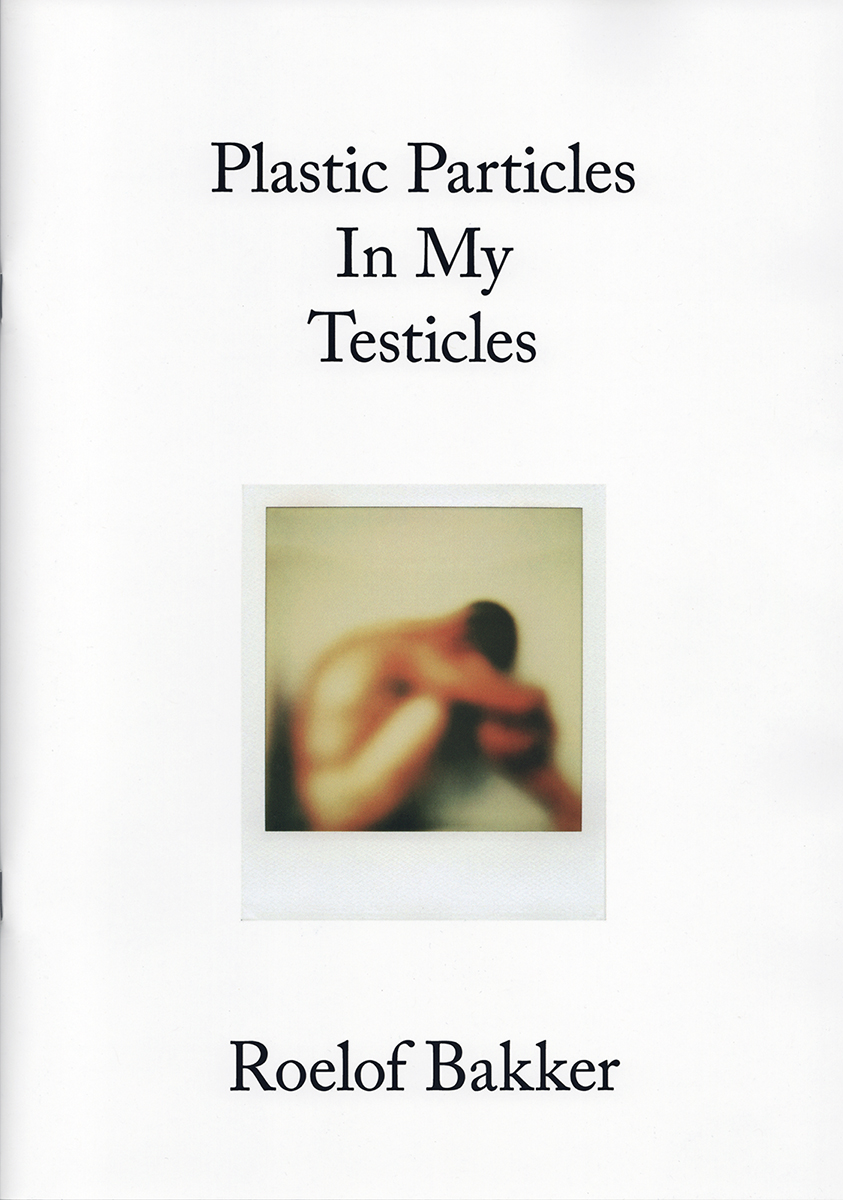
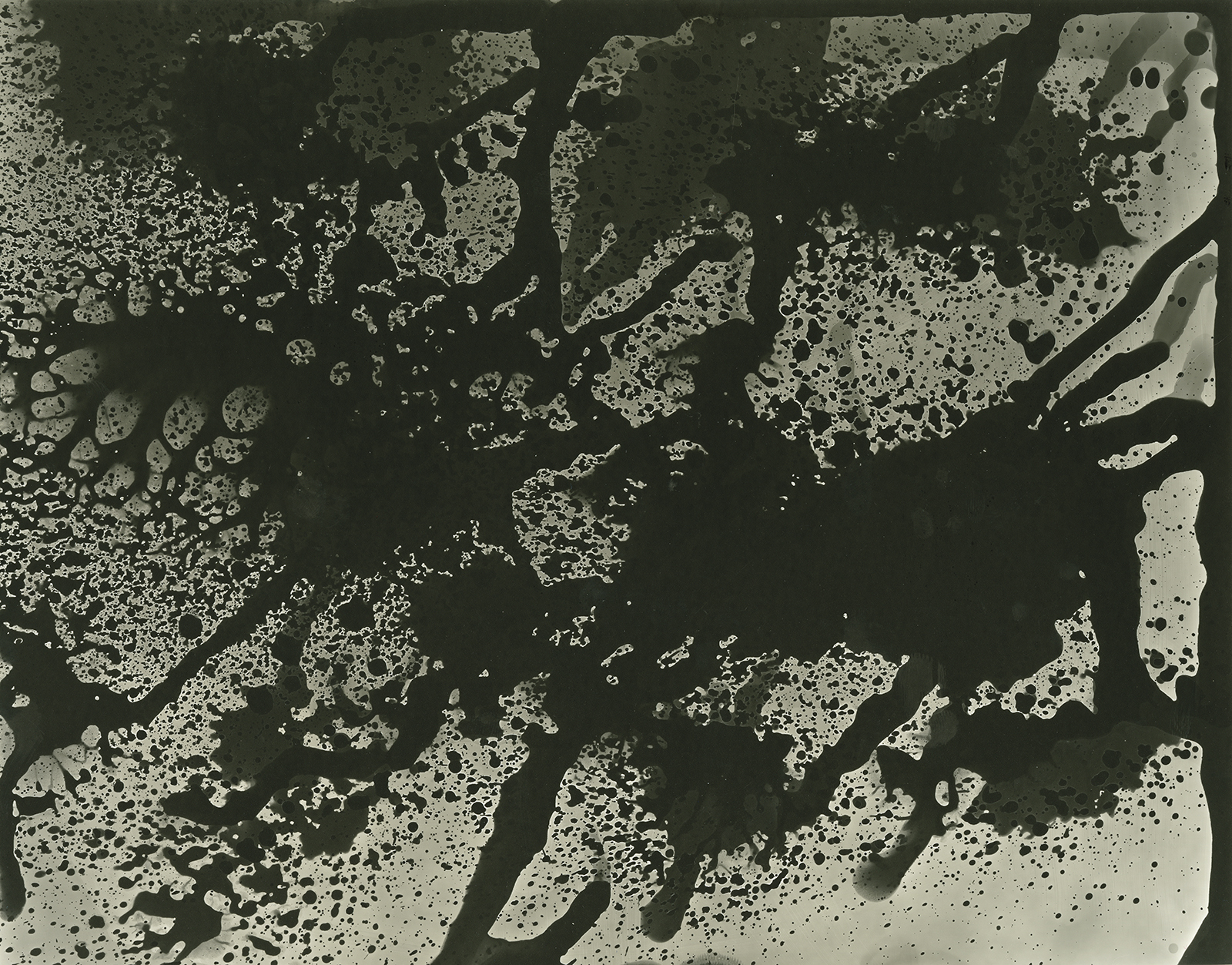
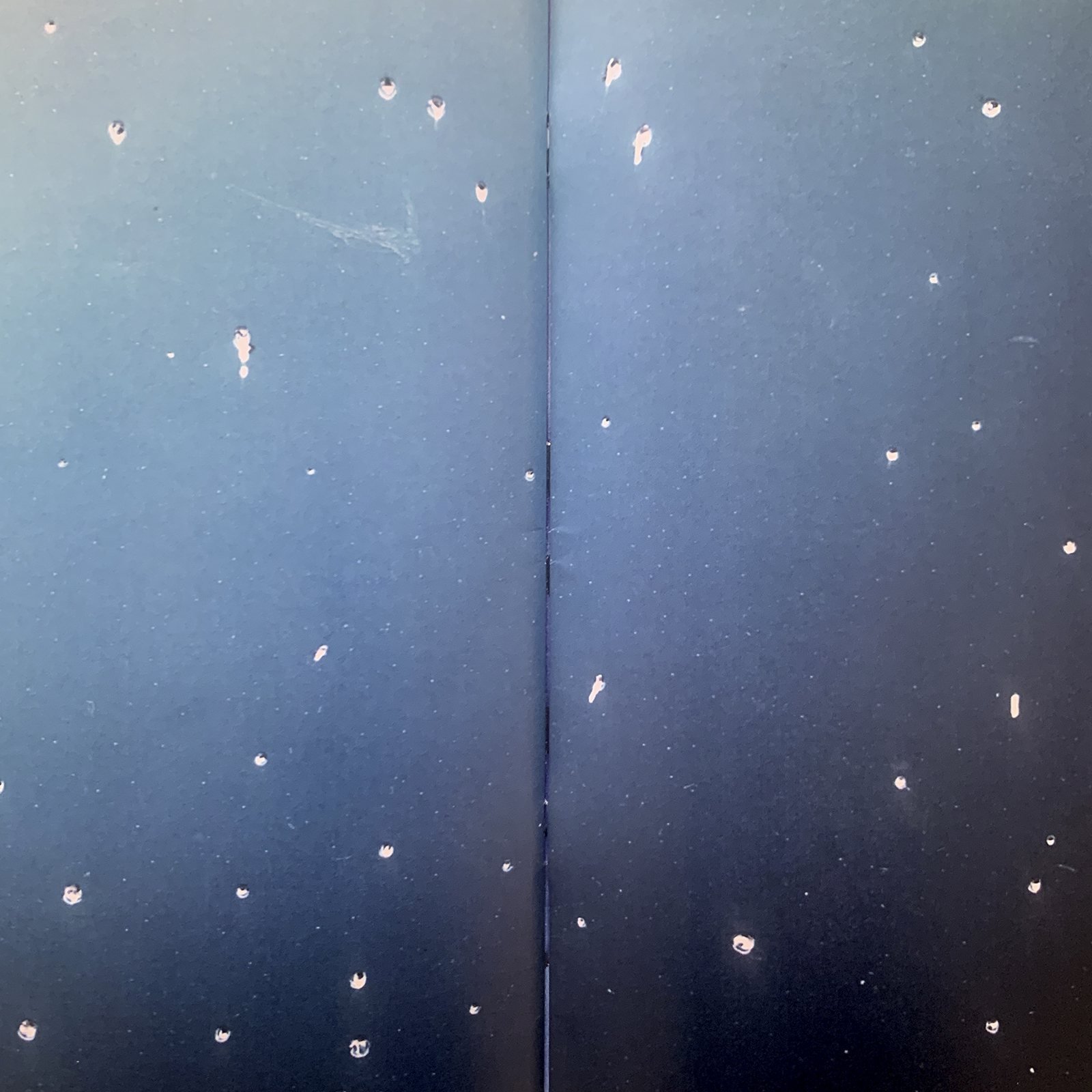
Plastic Particles In My Testicles is an A4 saddle-stitched artist’s book of plastic-rich analogue images confronting the unsettling reality of microplastic pollution in human bodies. If photographic materials are made with plastics that eventually break down into tiny fragments, then how much of photography itself resides within us? The book is printed on glossy paperstock with a gloss varnish (plastic) cover.
Recent research shows that microplastics (tiny plastic particles of 5mm or less in size) enter human bodies by ingestion, inhalation and via skin contact, and accumulate in our organs. They’re in our hearts, lungs, bowels, brains and testicles; and are found in blood, breast milk, urine and semen.
Scientists are researching the negative impact of microplastics on our health with studies suggesting they may contribute to neurological symptoms, respiratory issues and inflammatory bowel disease. This research is still at its early stages.
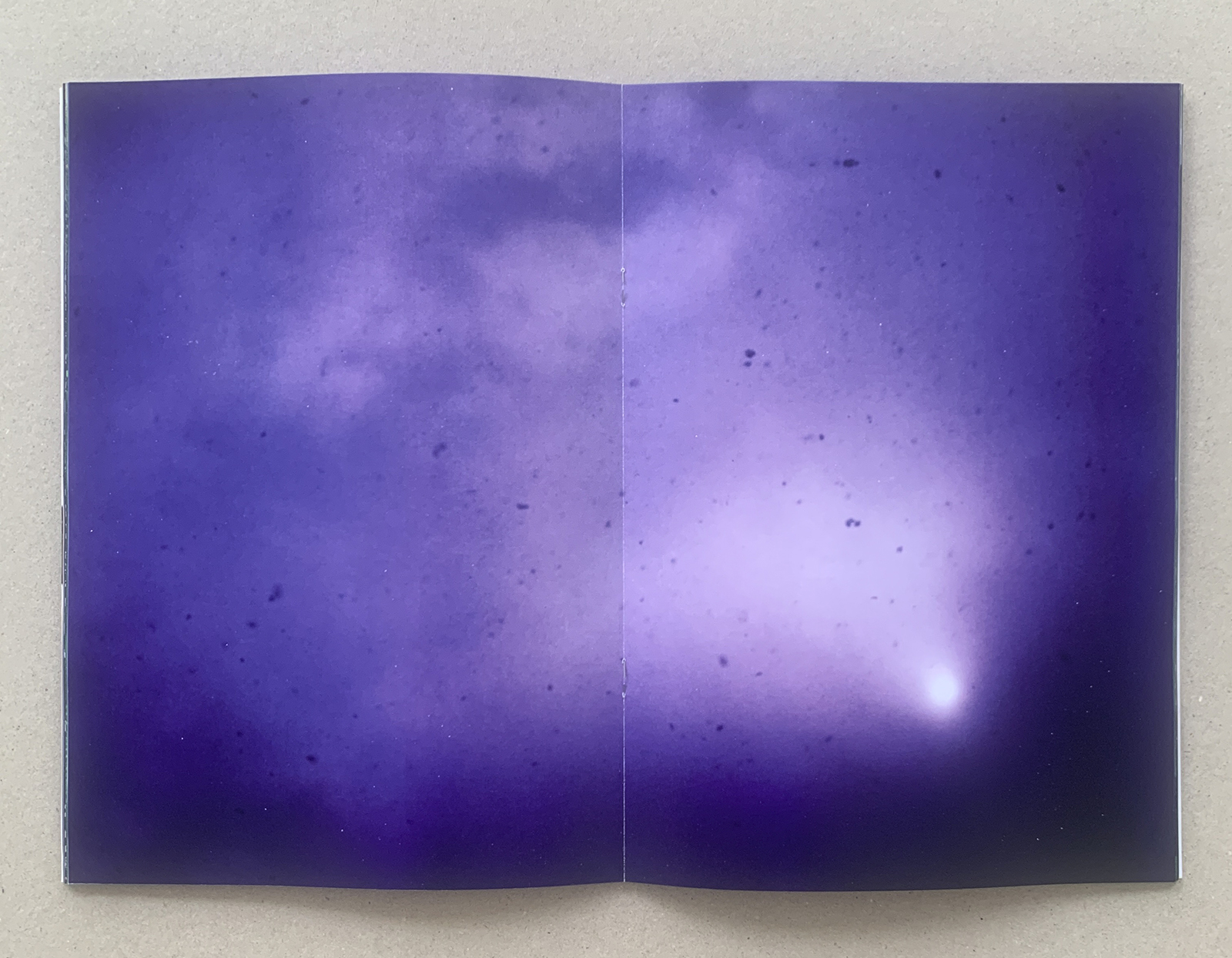
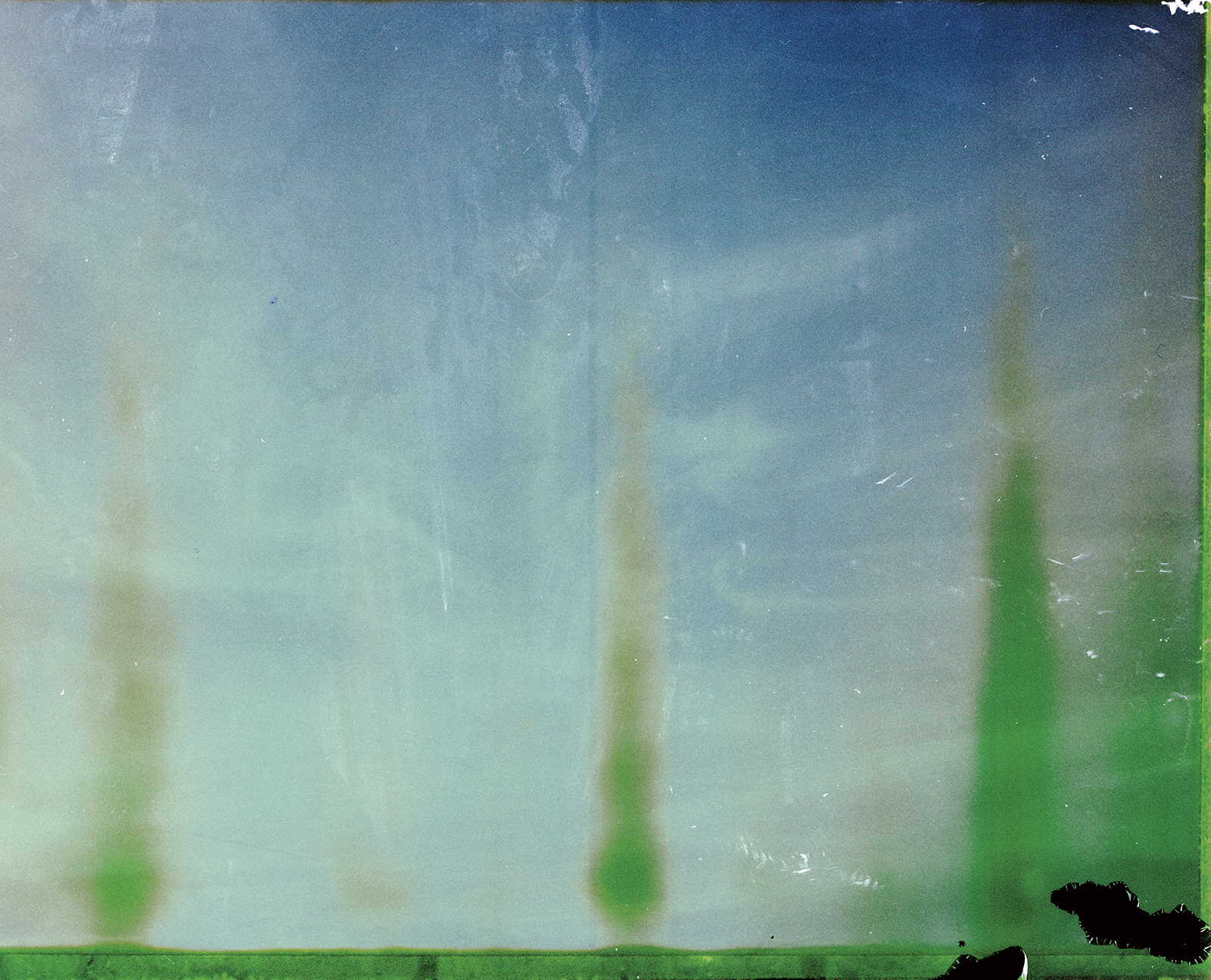
Experimenting with plastic-rich historical photographic media and playing with scale in the publication, I photographed skies with a plastic 1970s Polaroid 420 camera using discontinued Fuji FP-100C Instant Colour Film, reclaiming and lifting negatives to create a series of ‘Plastic Skies’, human marks an integral part of the prints.
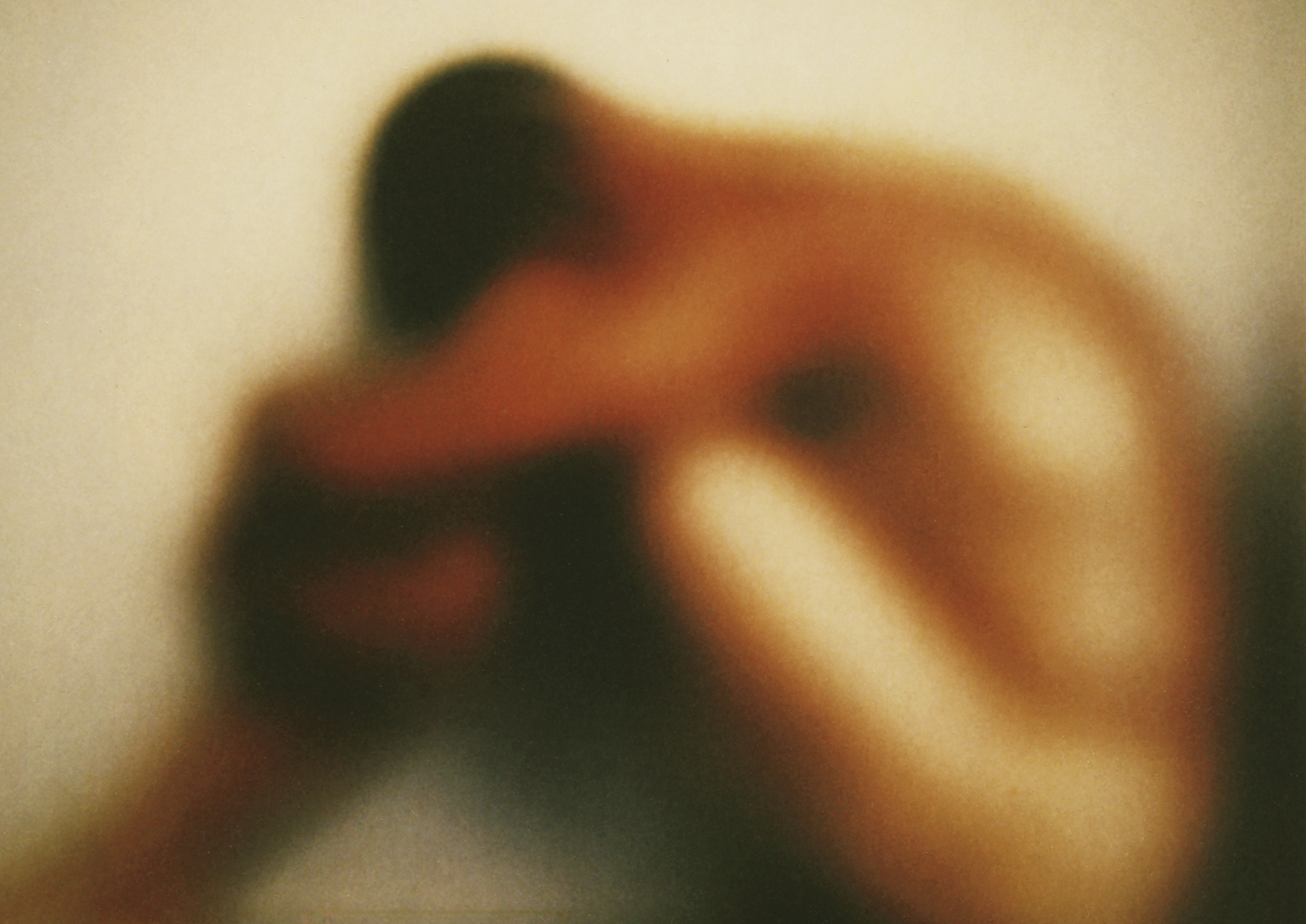
Two nudes were photographed with a 1980s Polaroid SLR 680 camera using discontinued positive Polaroid 600 Instant Colour Film. Two photograms, ‘Base Laminated With Plastic On Both Sides’, were printed in the darkroom using contemporary Ilford Multigrade Resin Coated Deluxe Pearl, a photo paper with a paper base encapsulated in two thin layers of polyethylene, a common type of plastic.
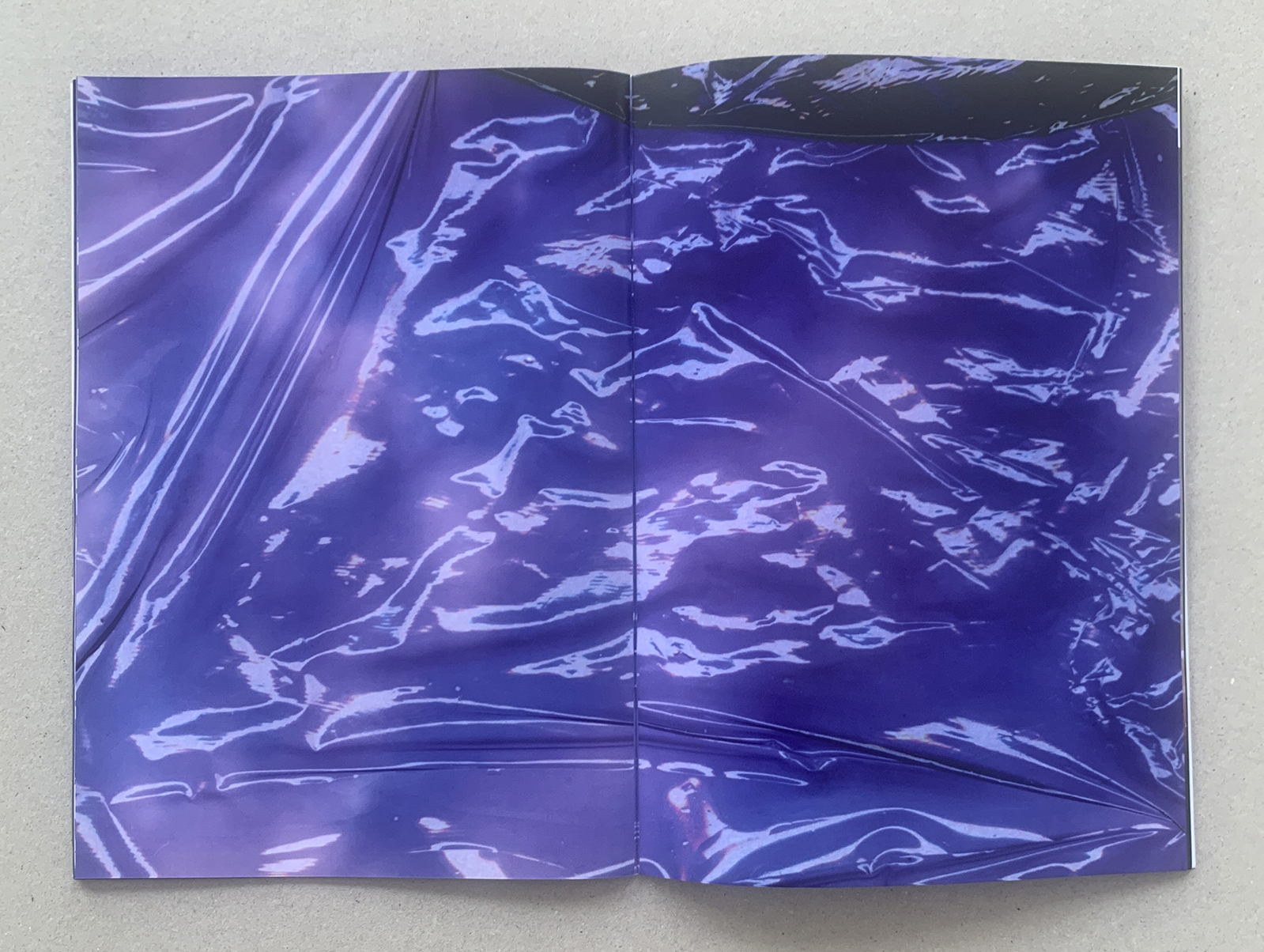
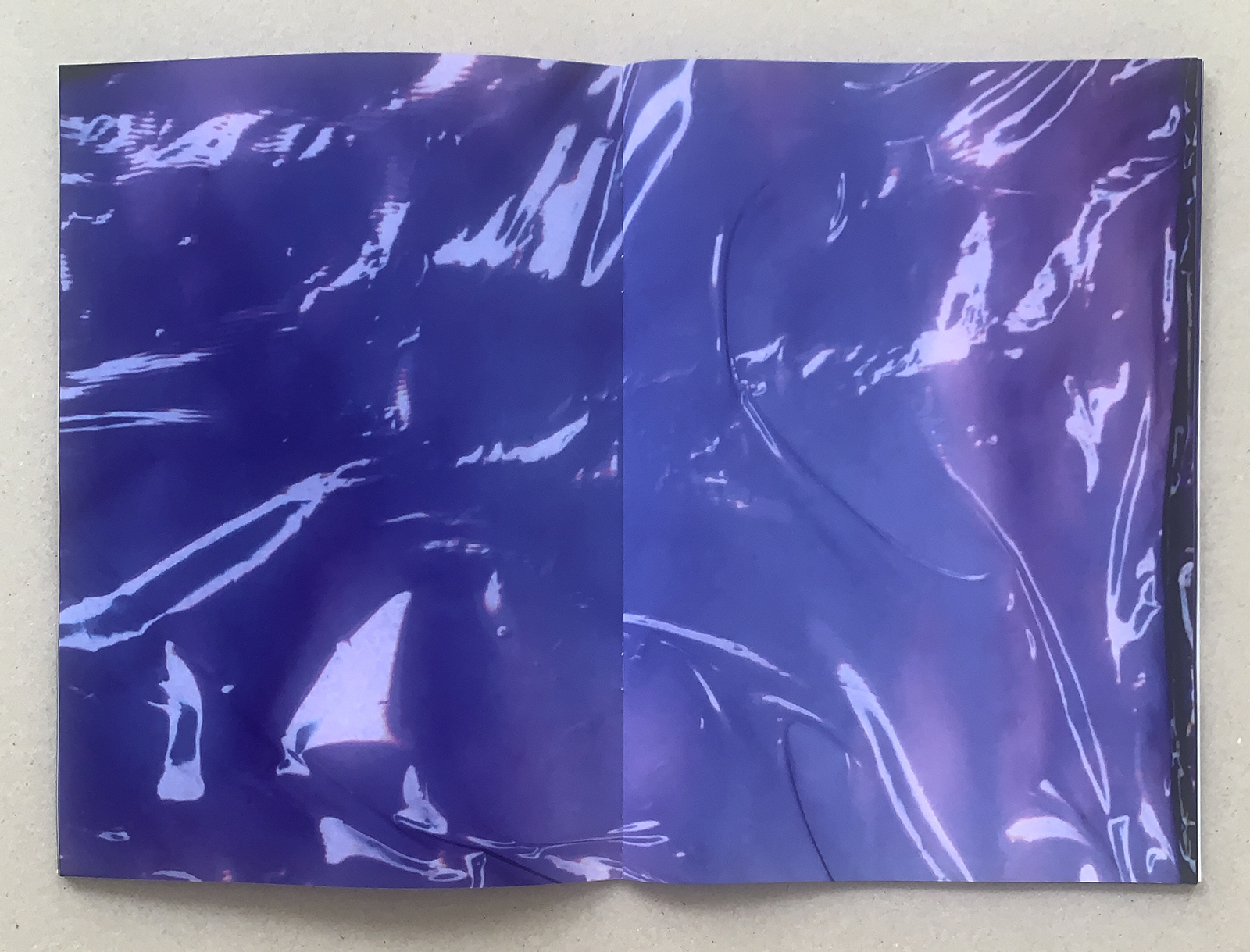
In ‘Becoming Plastic’, four wet plate collodion tintype self-portraits, I use plastic sheeting over my face and chest to express my horror at my body becoming increasingly polluted with microplastics as I contemplate their impact on my physical and neurological health. These portraits also link the invention of plastic by Alexander Parkes in 1862 to the 1851 invention of the wet plate collodion process by Scott Archer, both polluting and toxic processes.
Plastics were introduced into photography in the 1890s by Kodak. Since then millions of non-biodegradable photographs and negatives have been discarded (as well as plastic cameras, film cannisters and other plastic photography accessories). If photographs contain plastics and plastics break down into microplastics, then how much photography is inside our bodies?
Publication date 8 August 2025
A4 size, 36pp, saddle-stitched
Pages 150gsm glossy paper, cover 250gsm gloss varnish
Published by Negative Press London
Printed in England
Buy https://negativepresslondon.bigcartel.com/product/plastic-particles-in-my-testicles
Plastic Particles In My Testicles – in Quand la création s'empare de l'édition / When Creation Takes Over Publishing, University of Lille, Lille, France 12-14 November 2025
Plastic Particles In My Testicles – Small Publishers Fair, Conway Hall, London, 24-25 October 2025
Plastic Particles In My Testicles – Small Publishers Fair, Conway Hall, London, 24-25 October 2025
WORK︎︎︎ NEXT ︎︎︎